
Fast, High-Accuracy Results from SENO Biotech Lab
Avian DNA Sexing & Genetic Testing
“Accurate Bird Gender Identification Starts with Science – Trust SENO Lab for Certified Results and Expert Genetics Support.”
About SENO Biotech Lab
Zhangjiakou SENO Biotech specializes in bird gender test through DNA testing, operating a 1,000-square-meter laboratory with a dedicated team of 15 testing technicians and 10 product developers. Located in Zhangjiakou, a city with a rich tradition of racing pigeon breeding, we have become a trusted provider of DNA-based sex identification for birds.
Our core service—racing pigeon gender test—extends beyond local and regional breeders to serve bird owners and enthusiasts from Europe, North America, Africa, and across Asia. Using state-of-the-art equipment, we deliver fast, accurate, and affordable bird gender results, offering some of the most competitive testing rates in the world.
Our Features
Simple Process
- Prepare blood sampling cards and match them to your birds.
- Secure the cards inside folded A4 paper.
- Send via FedEx document express to our lab.
- Receive a report within 2 days of testing.
High-level Lab
- National high-tech enterprise
- 2,000 square meters laboratory space
- 20 RT-PCR testing devices
- 15 professional testing staff
- 2 PhDs providing online technical support
Tech Capability
- Long-term partners of Hebei North University and Hebei Agricultural University.
- Tested samples from multiple countries and established long-term collaborations.
- Key Laboratory of Hebei, China.
Our Services
- Collect Samples from Worldwide
- Cheap Test Service Fees
- Support for building custom laboratories
- Custom reagent development
- Test kits sale
🕊 The Science of Avian DNA Sexing: How We Determine Bird Gender
Avian DNA sexing is the most reliable, science-based method to determine a bird’s biological sex. This precise technique analyzes the Chromodomain-helicase-DNA-binding (CHD) gene located on the bird’s sex chromosomes (Z and W), providing results that are critical for breeding, conservation, and pet management.
The Genetic Basis
Unlike mammals (XY system), birds utilize the ZW sex determination system. Males possess two Z chromosomes (ZZ), while females possess one Z and one W chromosome (ZW). Our analysis targets the CHD-Z and CHD-W gene fragments, which have slight size differences (polymorphisms) that allow for definitive identification.
Core Testing Technologies
- Polymerase Chain Reaction (PCR): The standard method used to amplify the CHD-Z and CHD-W fragments. Sex is distinguished by observing the DNA amplification products: two bands (ZW) indicate a female, while one band (ZZ) indicates a male.
- Real-Time PCR (RT-PCR): A faster, high-throughput technique using fluorescent probes to monitor amplification in real time, enabling automated and rapid results suitable for large-volume testing.
- Gene Sequencing: Reserved for complex cases, rare species, or research, sequencing provides the highest level of genetic analysis for absolute certainty.
Key Advantages of DNA Sexing
- Universal Applicability: Effective for all bird species, regardless of age (from newly hatched chicks to mature adults).
- High Accuracy: Guarantees a verified accuracy rate of up to 99.9% when performed in our certified laboratory.
- Non-Invasive Sampling: Requires only a tiny, safe sample (feather with follicle, blood spot, or eggshell membrane).
This scientific method is the gold standard, widely utilized in zoological conservation, pet breeding, and scientific research globally.
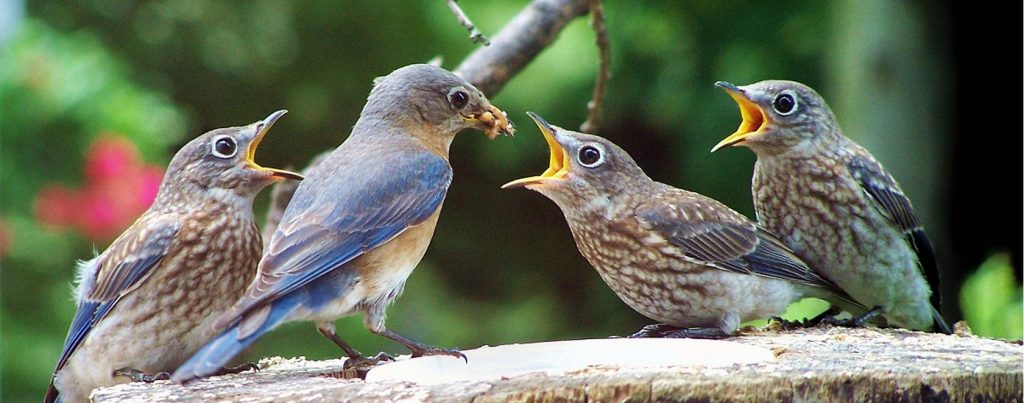
🕊Avian DNA Sexing Process: Our 6-Step Guide to Accurate Results
Avian DNA Sexing Process
This detailed process, utilizing certified protocols and state-of-the-art equipment, ensures high-accuracy sex identification for all bird species.
1. Sample Collection
- What is Needed: A small biological sample is collected from the bird—typically 2-3 feathers with intact follicles (the base of the feather shaft) or a small drop of blood collected on specialized filter paper.
- Safety Assurance: This method is minimally invasive and designed to ensure the bird’s safety and comfort during collection.
2. Sample Submission
- Packaging: Place the sample securely in the provided, sterile packaging to prevent contamination and degradation.
- Shipping: Ship the package to our laboratory following our detailed and easy shipping instructions. Proper handling is essential to maintain DNA integrity for reliable testing.
3. DNA Extraction
- Laboratory Protocol: Upon arrival, our certified laboratory team isolates and extracts the DNA from the feather or blood sample.
- Quality Control: We use certified reagents and precise, validated protocols to maximize DNA yield and purity for reliable results.
4. PCR Amplification
- The Technique: We employ the Polymerase Chain Reaction (PCR) to specifically amplify the target gene.
- Target Gene: The CHD gene (Chromodomain-helicase-DNA-binding gene) on the bird’s sex chromosomes (Z and W) is amplified. This crucial step generates billions of copies of the target DNA, making it detectable.
5. Result Analysis
- Methodology: Technicians analyze the amplified DNA fragments using Gel Electrophoresis or Real-Time PCR (RT-PCR).
- Diagnosis: The presence and size of the DNA fragments confirm the bird’s sex:
- Male birds (ZZ): Identified by a single, specific DNA band.
- Female birds (ZW): Identified by two distinct DNA bands of differing lengths.
6. Reporting
- Final Output: You will receive a certified, easy-to-understand report delivered via email or print.
- Confidence & Delivery: The report confirms the bird’s sex with an accuracy rate of up to 99.9% and includes digital certification. Results are typically generated within 1-3 working days after the sample is received by the lab.
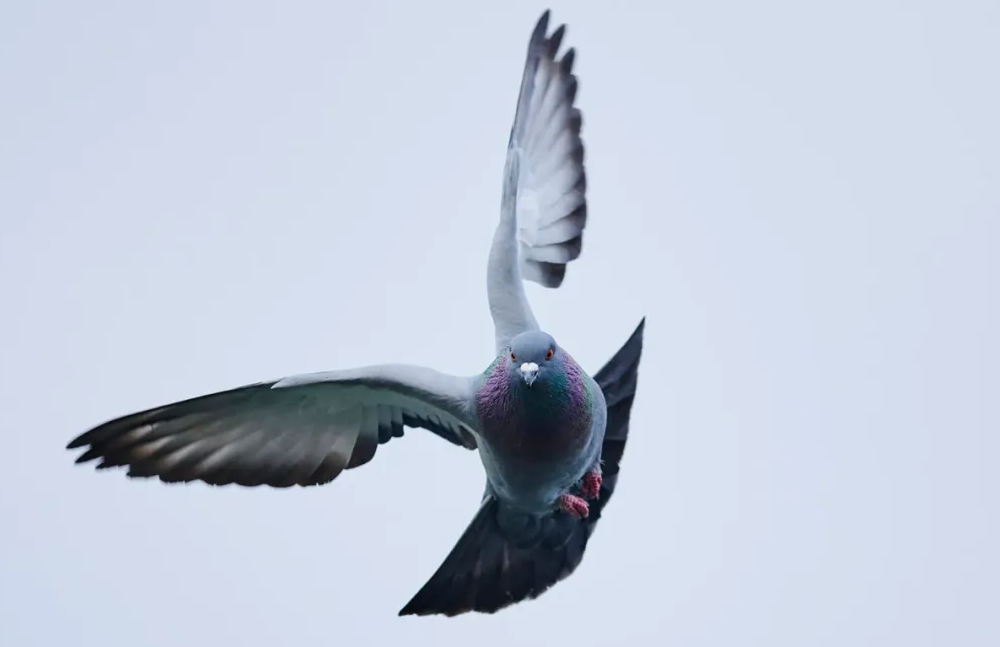
Racing Pigeon Performance DNA Panel
We analyze eight key genetic markers in racing pigeons to provide a robust genetic foundation for evaluating racing performance, optimizing breeding strategies, and developing superior performance lines.
| Gene | Core Function | Scientific Description & Impact on Performance |
| LDHA | Endurance & Speed | Determines the pigeon’s muscle endurance, resistance to fatigue, and efficiency in energy utilization (aerobic vs. anaerobic metabolism) crucial for long-distance racing. |
| CRY1 | Navigation & Timing | Affects the internal circadian biological clock and the ability for precise long-distance orientation and navigation, impacting time-sensitive performance. |
| DRD4 | Homing Instinct & Motivation | Related to Dopamine Receptors, influencing motivation, learning, and the precision of the homing instinct necessary for rapid return. |
| F-KER | Feather Quality | Determines the structural integrity and flexibility of the feathers, directly impacting aerodynamic efficiency and sustained flight capability. |
| MSTN | Muscle Strength & Power | Myostatin gene regulates muscle growth and overall density, directly influencing flight power and explosive acceleration. |
| LRP8 | Memory & Learning | Enhances spatial learning ability and memory retention critical for improving navigation routes and better homing accuracy. |
| GSR | Magnetoreception | Improves the pigeon’s ability to sense and utilize the Earth’s magnetic field for accurate direction-finding, especially during varied weather conditions. |
| CASK | Intelligence & Orientation | Affects the internal biological clock, cognitive function, and the ability for sustained, complex long-distance orientation. |
Genetic Advantage for Breeders
- Evidence-Based Selection: Move beyond subjective observation and base breeding decisions on verifiable genetic potential.
- Targeted Pairing: Identify optimal pairings to maximize the inheritance of favorable performance alleles (versions of the gene).
- Strategic Training: Tailor training regimes based on the pigeon’s genetic profile (e.g., endurance versus speed potential).
FAQs: Your Questions About Avian DNA Sexing Answered
Understanding the Test
1. What is Avian DNA Sexing?
Avian DNA sexing is the process of accurately determining a bird’s biological sex by analyzing its genetic markers.1 It’s the standard method used when male and female birds (monomorphic species) look alike, relying on science-backed genetic analysis rather than physical observation.2
2. How Does the DNA Test Work?
The test analyzes the CHD gene (Chromodomain-helicase-DNA-binding gene) located on the sex chromosomes of birds (Z and W).3 Birds use the ZW system (unlike the mammalian XY system):4
- Males are ZZ.5
- Females are ZW.6
By using high-precision techniques like PCR or gene sequencing, our laboratory detects the specific male (ZZ) or female (ZW) chromosome pattern.
3. Why Should I Choose DNA Testing Over Other Methods?
DNA testing offers multiple advantages over traditional methods (like surgical sexing):
| Advantage | Benefit |
| High Accuracy | Verified accuracy rate over 99.9% when performed by a certified lab. |
| Safety | Non-invasive and safe for the bird; requires only a small feather or blood sample. |
| Universal Use | Suitable for all bird species and all ages (including newly hatched chicks). |
| Reliability | The only reliable method for monomorphic species where sex differences are invisible. |
4. What is the difference between PCR and Gene Sequencing in bird sexing?
- PCR (Polymerase Chain Reaction): This is the standard, fast, and cost-effective method.7 It amplifies specific DNA segments (CHD gene) for gender detection.8 Ideal for routine testing and volume orders.
- Gene Sequencing: This method provides a deeper and highly precise analysis of the genetic makeup. It is typically reserved for rare species, complex cases, or in-depth research to provide absolute certainty.
📦 Samples, Safety, and Results
5. Is DNA bird sexing safe for my bird?
Absolutely. DNA sexing only requires a tiny, non-invasive biological sample (a few feathers or a blood spot) and does not involve surgery or anesthesia, ensuring the bird’s comfort and safety when collected properly.9
6. What samples are required for the test?
Typically, only 2-3 feathers with intact follicles (the base of the feather shaft) or a small blood sample on filter paper are sufficient. The sample must contain cellular material for DNA extraction.
7. What bird species can be DNA tested?
DNA sexing is a universal method and is suitable for virtually all bird species, including but not limited to parrots, finches, pigeons, raptors, waterfowl, and exotic birds.
8. How long does it take to get the results?
Most bird sexing results are available within 1 to 3 working days after your sample is received and logged at our laboratory.
9. Can I use DNA testing for newly hatched chicks?
Yes. DNA bird gender tests can be safely and accurately performed on chicks just a few days old, as the required genetic information is present from birth.
10. Can I perform the sample collection at home?
Yes. Our laboratory provides DNA sexing kits that allow you to safely collect the necessary feather or blood sample at home and ship it to our lab for professional analysis.
11. How much does bird DNA gender test cost?
Prices are highly competitive and vary based on volume and region. Our standard DNA bird sexing services generally range from $3 to $10 per bird, with significant volume discounts available for breeders and agents.