
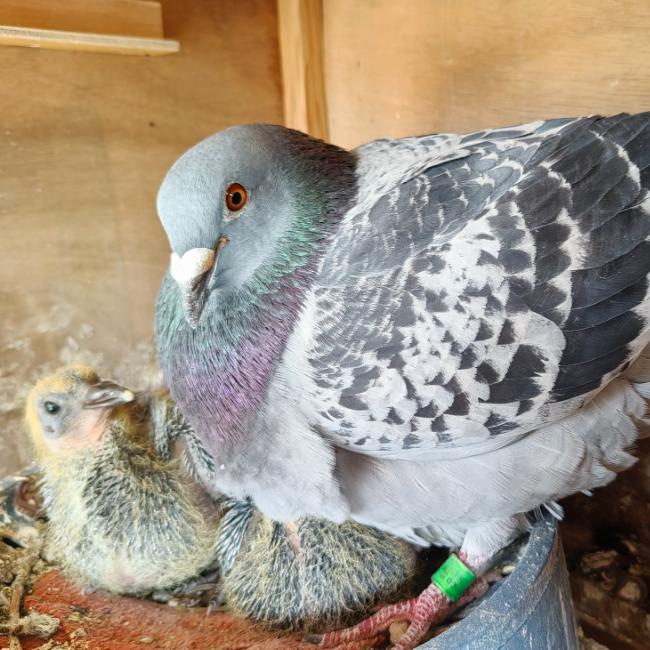
見た目だけで鳩の性別を判断しようとしたことがあるなら、私たちを信じてください。, あなたは一人ではありません. で セノバードセクシングラボ, 私たちは何千もの鳩飼育者と協力してきました, 趣味人, 視覚的な手がかりだけを使ってハトのオスとメスを確実に識別するのに苦労した研究者たち.
このブログでは, 順に説明していきます 2つの主要なアプローチ 鳩の性別判定へ:
科学的なハトの DNA 性別判定 (強くお勧めします)
伝統的な視覚的および行動的手法 (参考までに)
一部 1: 科学的なハトの DNA 性別判定 – 信頼できる選択
で セノバードセクシングラボ, 私たちはを専門としています DNAに基づく鳥の性別判定, を提供するゴールドスタンダードの方法 以上 99.9% 正確さ. 目視検査とは異なります, DNA 性別判定は、孵化したばかりの雛やあいまいな特徴を持つハトでも機能します.
DNA の性別判定はどのように機能するのか?
DNA の性別判定は検出に依存します Z および W 性染色体 鳥の中で. ハトの場合 (そしてほとんどの鳥は), 男性はZZです, そして 女性はZWです.
ここではプロセスを段階的に説明します:
サンプルコレクション
少量の生体サンプルが必要です. 最も一般的なのは:数滴 足の爪からの血
または 羽ペンが無傷の、摘みたての羽
DNA抽出
弊社の認定ラボで, 無菌を使用してサンプルからゲノム DNA を抽出します。, 高精度装置.PCR増幅
と呼ばれるテクニックを使用して、 ポリメラーゼ連鎖反応 (PCR), Z 染色体と W 染色体の特定の領域をターゲットにします.
Zのみが存在する場合 → 男
ZとWの両方が検出された場合 → 女性結果の配信
1 ~ 2 営業日以内, 私たちはを提供します クリア, 証明書に裏付けられた結果 鳩の性別を示す.
Pigeon DNA 判別を選択する理由?
高精度 – 推測や繁殖による事故はもうありません
どの年齢でも適用可能 – 孵化したばかりの子から成体まで
非侵襲的 – 私たちに必要なのは、数枚の羽か、一滴の血だけです
ホルモンの影響を受けない, 年, または行動
で 胸, 私たちの使命は鳩飼育者に安心を与えることです. スポーツ目的で繁殖しているかどうか, レーシング, または保全, ハトの DNA 判別により時間を節約, お金, そして不確実性.
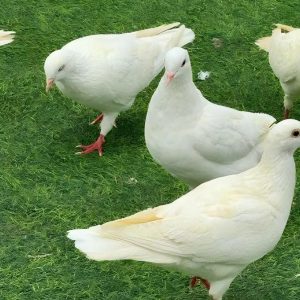
一部 2: 伝統的な方法 - 人気のある, しかし、確実ではありません
私たちは伝統的な鳩の雌雄判別法の魅力を理解しています. 多くの愛好家が信頼している 視覚的な手がかり, 行動観察, または 骨格の違い. しかし、はっきり言っておきます: これらの方法はいずれも精度を保証しません. 彼らは主観的です, 経験に依存する, 特に若い鳥や近縁の品種では間違いが起こりやすい.
一般的な伝統的な手法の概要は次のとおりです:
1. 体型 & 外観
雄のハト: 通常はより大きい, より広い頭, 平らなクラウン, 太い首, 大きなくちばし, そして足も強くなる.
メスのハト: よりコンパクトに, 細い頭, きついアイリング, 首が柔らかくなる, そして細い脚.
⚠️ 問題: サイズと機能は重複することが多い, 特に品種間で.
2. 行動特性
男性: よりアクティブで支配的な. 闊歩している姿をよく見かけます, 女性を追いかける, そして大音量を出します “クーイング” 音.
女性: より受動的な, 巣の近くに留まる傾向がある, よりソフトなコールを生成します.
⚠️ 問題: 環境によって行動が変わる, 年, そして社会階層. 若い男性や恥ずかしがり屋の男性は女性の行動を真似ることがあり、その逆も同様です。.
3. 発声の違い
男性: 深い, うるさい, 尻尾をあおったり羽をたたいたりするような劇的な体の動きを伴うリズミカルなクー鳴き声.
女性: より柔らかく, 最小限の動きで短い鳴き声.
⚠️ 問題: すべてのハトがはっきりと鳴くわけではありません, 一部のメスは時折オスの真似をすることもあります.
4. フェザーの特徴
男性: 紫がかった緑色の虹色の、わずかに明るい首の羽, 丸い翼端.
女性: 鈍い首, より先細の翼羽, すっきりした外観.
⚠️ 問題: 虹色の輝きは照明や脱皮の段階によって異なります.
5. 骨格の違い
男性: 胸骨が長い, 狭い骨盤骨.
女性: 胸骨が短い, 産卵のための広い骨盤間隔.
⚠️ 問題: これらの違いは微妙であり、豊富な経験がなければ感じるのは困難です.
6. ひよこの行動 & 成長率
雄のひよこ: より速く成長する, 授乳中により攻撃的に行動する.
雌のひよこ: 成長が遅くなる, 穏やかに見える.
⚠️ 問題: 初期の成長は栄養に影響される可能性がある, セックスだけではない.
7. 胚のキャンドルライト観察
男性: 日中の胎児周囲の対称的な血管 4 孵化の.
女性: 非対称の血管パターン.
⚠️ 問題: この方法は難しいです, 広く実践されていない, そしてまだそうではありません 100% 信頼性のある.
最終的な考え: 正しいものを選択しますが、何が確実であるかを知ってください
で セノバードセクシングラボ, 私たちは鳩の飼育の伝統を尊重し、昔ながらの方法が文化の一部であることを理解しています。. しかし、精度が重要な場合には, 繁殖プログラムのような, 競技会, または科学研究—DNAの性別を確認することが唯一の方法です.
🔍 自信を持って鳩の性別を知りたい?
にアクセスしてください セノバードセクシングラボ または今すぐ私たちのチームにご連絡ください.
Traditional Methods for Pigeon Sex Identification
Physical Characteristics: Unreliable at Best
Pigeons are among the most challenging birds to sex visually. Unlike chickens (comb/wattle differences) or ducks (plumage dimorphism), pigeons show minimal external sexual dimorphism throughout their lives:
- Size: Males average 5-10% larger, but overlap is substantial
- Head shape: Males tend to have broader, more rounded heads — highly subjective
- Cere development: Males may have more prominent ceres in breeding season
- Cloacal examination: Requires experience; accuracy drops below 70% in young birds
Behavioral Sexing of Pigeons
| Behavior | 男 | 女性 | 正確さ |
|---|---|---|---|
| Courtship display (クーイング, bowing, tail fanning) | Primary performer | Rarely displays | High (~90%) |
| Nest site selection and defense | Initiates scouting | Final nest site selection | Moderate |
| Incubation schedule | Morning to afternoon (~10am-4pm) | Late afternoon to next morning | High in breeding pairs |
| Aggression toward same sex | Fights with other males | Less aggressive to females | Moderate |
| “Driving” 行動 (chasing partner) | Primary driver | Passive/receptive | High in pairs |
Key limitation: Behavioral sexing requires mature, paired birds in breeding condition. It’s useless for single birds, young birds, or off-season observation.
Why Racing Pigeon Breeders Choose DNA Sexing
For serious racing pigeon fanciers, accurate sex identification is critical for:
- Breeding pair planning: Every pairing decision depends on confirmed sex
- Purchasing expensive stock: あ $5,000 pigeon misidentified as male when it’s female is a catastrophic error
- Race category compliance: Many one-loft races and competitions require sex verification
- Genetic line management: Maintaining sex ratios for optimal breeding programs
- Early weaning decisions: DNA sexing at 5 days old enables early separation planning
At our standard pricing of $8-15 鳥ごとに, DNA sexing is the cheapest insurance policy in pigeon racing. Order pigeon DNA testing →