
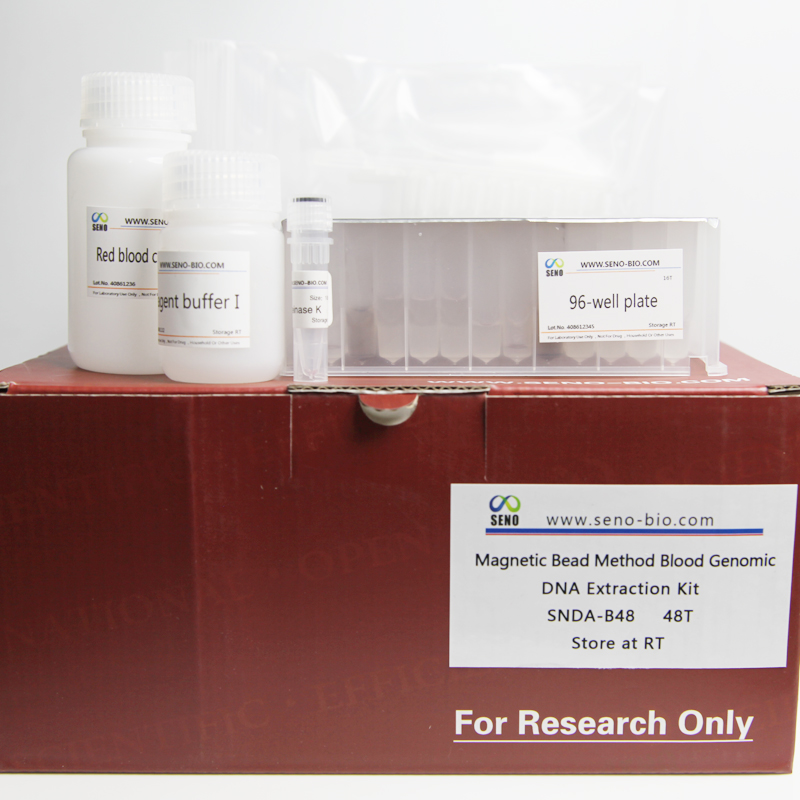
При работе с генетическим материалом, таким как ДНК, Выбор правильного метода экстракции имеет решающее значение. В этой статье, мы проведем вас через две ключевые части:
Что такое экстракция ДНК TRIzol и как она используется?
Как мы извлекаем ДНК голубя для тестирования и почему мы используем альтернативный метод, который быстрее и практичнее?
Часть 1: Что такое экстракция ДНК TRIzol?
What Is TRIzol?
TRIzol is a powerful reagent widely used in molecular biology. It’s a monophasic solution of phenol and guanidine isothiocyanate designed to simultaneously isolate RNA, ДНК, and proteins from biological samples.
Originally developed for RNA extraction, TRIzol is also capable of extracting DNA from the same sample, making it useful for applications that require multiple types of biomolecules.
How Does TRIzol Work in DNA Extraction?
The general process of DNA extraction using TRIzol includes the following steps:
Step-by-Step Protocol:
Homogenization: Mix your sample (например, tissue or cells) in TRIzol reagent.
Phase Separation: Add chloroform and centrifuge to separate the mixture into three layers:
Upper aqueous phase (RNA)
Interphase (ДНК)
Lower organic phase (protein)
DNA Precipitation: Add ethanol or isopropanol to the interphase to precipitate DNA.
Washing: Wash the DNA pellet with ethanol.
Dissolution: Re-dissolve the DNA in TE buffer or water for downstream applications.
Is TRIzol the Best DNA Extraction Method?
TRIzol is effective but not always the most convenient. While it provides high yields and allows for multiple extractions from one sample, it involves toxic chemicals (like phenol and chloroform) and requires multiple centrifugation steps, which makes it less suitable for routine or field work.
Other Common DNA Extraction Methods (Сравнение)
| Метод | Reagents Required | Оборудование | Плюсы | Минусы |
|---|---|---|---|---|
| TRIzol | TRIzol, chloroform, ethanol | Центрифуга, fume hood | Extracts DNA/RNA/protein | Toxic, time-consuming |
| Silica Column Kit | Lysis buffer, ethanol, wash buffer | Центрифуга | Clean, easy to use | More expensive, requires fresh samples |
| Salt-Out Method | SDS, NaCl, ethanol | Центрифуга | Low cost, non-toxic | Longer protocol |
| Magnetic Beads | Magnetic beads, lysis & binding buffer | Magnetic rack | Быстрый, automation-friendly | High cost, requires setup |
| Alkaline Lysis (A/B buffer) | NaOH (Solution A), Tris-HCl (Solution B) | None or minimal | Быстрый, simple, low-cost | Lower purity compared to kits |
Часть 2: How Do We Get Pigeon DNA?
Our Preferred Method: A/B Buffer Lysis
В Seno Lab, we don’t use TRIzol for pigeon DNA extraction. Instead, we use a simple and efficient method called A/B buffer lysis.
This approach is:
✅ Quick – Extraction takes only 20–30 minutes
✅ Safe – No need for toxic chemicals
✅ Sample-friendly – Works with перья и dried blood spots (DBS) on FTA cards
How Does A/B Buffer Lysis Work?
We use two key solutions:
Solution A: A mild alkaline solution (например, NaOH-based) that breaks open cells
Solution B: A neutralizing buffer (например, Tris-HCl) that stabilizes the DNA
Protocol Summary:
Place pigeon feather shaft or blood card punch into a tube
Add Solution A, incubate to lyse cells
Add Solution B to neutralize
Use directly in PCR, or store for later use
Why Use Feathers and Blood Cards?
Feathers:
Easy to collect with no bleeding
Good for quick, on-site sampling
Blood Cards (DBS):
Drops of blood dried on special filter paper
Easy to store, label, and mail
Идеально подходит для long-distance or international shipment
DNA remains stable for weeks without refrigeration
This method makes it very practical for breeders, исследователи, or veterinarians who need to submit samples from other regions or countries.
Заключительные мысли
While TRIzol is powerful, it’s not always necessary or practical for pigeon DNA work. Our A/B buffer lysis method is simple, effective, and sample-friendly, allowing us to perform DNA testing quickly and accurately, even on feathers or blood cards shipped from afar.
🧬 Need your pigeons tested?
📦 Just mail us feathers or blood cards—
👩🔬 Let Seno Lab do the rest!
What Is TRIzol and How Does It Extract DNA?
The Chemistry of TRIzol Extraction
TRIzol is a monophasic solution of phenol and guanidine isothiocyanate that simultaneously isolates DNA, RNA, and proteins from biological samples. It replaced multi-step extraction protocols with a single reagent — revolutionizing molecular biology since 1987.
Extraction Process — Step by Step
- Homogenization: Sample ground in TRIzol — lyses cells and inactivates DNA-degrading nucleases
- Phase Separation: Chloroform added → three phases after centrifugation: RNA (aqueous), ДНК (interphase), Proteins (organic)
- DNA Precipitation: Ethanol precipitation of DNA from the interphase
- Washing: Ethanol wash to remove residual phenol and salts
- Solubilization: Purified DNA dissolved in TE buffer for PCR analysis
Why SENO Biotech Uses TRIzol-Based Extraction
| Преимущество | Explanation |
|---|---|
| High DNA yield | 5-15 µg DNA from a single blood spot — sufficient for multiple tests |
| Co-isolation | Single extraction yields DNA, RNA, and proteins — critical for combined panels |
| Nuclease inactivation | Immediate enzyme denaturation prevents DNA degradation |
| Scalability | Works for 1 sample or 96-well plate high-throughput format |
Common DNA Extraction Challenges
- Low feather pulp DNA: Increased 2-hour incubation at 56°C with proteinase K pre-treatment
- Degraded samples: Glycogen co-precipitant improves recovery from tropical/aged samples
- PCR inhibitors: Additional ethanol wash removes melanin and heme contaminants
Our extraction success rate: >98% across all sample types. Learn more about our DNA sexing process →