
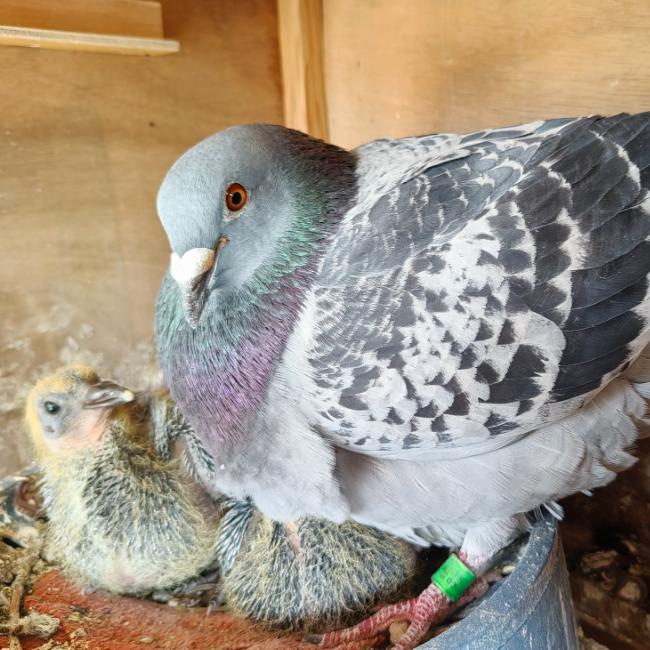
Si alguna vez ha intentado determinar el sexo de su paloma con solo mirarla, confíe en nosotros., no estas solo. En Laboratorio de Sexado de Aves SENO, Hemos trabajado con miles de criadores de palomas., aficionados, e investigadores que lucharon por identificar de manera confiable a los machos de las hembras utilizando únicamente señales visuales.
en este blog, te guiaremos a través del dos enfoques principales sexado de palomas:
Sexado científico del ADN de palomas (Altamente recomendado)
Métodos visuales y conductuales tradicionales (como referencia)
Parte 1: Sexado científico del ADN de palomas: la elección fiable
En Laboratorio de Sexado de Aves SENO, nos especializamos en Sexado de aves basado en ADN, un método estándar de oro que ofrece encima 99.9% exactitud. A diferencia de la inspección visual, El sexado por ADN funciona incluso en polluelos recién nacidos o palomas con características ambiguas.
¿Cómo funciona el sexado por ADN??
El sexado del ADN se basa en la detección Cromosomas sexuales Z y W en aves. en palomas (y la mayoría de las aves), los machos son ZZ, y las hembras son ZW.
Aquí tienes el paso a paso de nuestro proceso.:
Recolección de muestras
Requerimos una pequeña muestra biológica.. El más común es:unas gotas de sangre de la uña del pie
O plumas recién arrancadas con púas intactas
Extracción de ADN
En nuestro laboratorio certificado, Extraemos ADN genómico de la muestra utilizando métodos estériles., equipos de alta precisión.Amplificación por PCR
Usando una técnica llamada Reacción en cadena de la polimerasa (PCR), Nos dirigimos a regiones específicas de los cromosomas Z y W..
Si solo Z está presente → Masculino
Si se detectan tanto Z como W → FemeninoEntrega de resultados
Dentro de 1 a 2 días hábiles, proporcionamos un claro, resultado respaldado por certificado indicando el sexo de la paloma.
¿Por qué elegir el sexado por ADN de palomas??
Altamente preciso – No más conjeturas o contratiempos reproductivos
Aplicable a cualquier edad – Desde crías hasta adultos
No invasivo – Unas pocas plumas o una gota de sangre es todo lo que necesitamos
Sin influencia de las hormonas., edad, o comportamiento
En MAMA, nuestra misión es dar tranquilidad a los criadores de palomas. Ya sea que estés criando para el deporte, carreras, o conservación, El sexado de ADN de palomas ahorra tiempo, dinero, e incertidumbre.
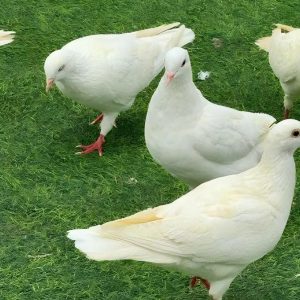
Parte 2: Métodos Tradicionales – Populares, Pero no infalible
Entendemos el atractivo de los métodos tradicionales de sexado de palomas.. Muchos aficionados confían en señales visuales, observaciones de comportamiento, o diferencias esqueléticas. Pero seamos claros: Ninguno de estos métodos garantiza la precisión.. son subjetivos, dependiente de la experiencia, y propenso a errores, especialmente en aves jóvenes o razas estrechamente relacionadas.
Aquí hay un resumen de los métodos tradicionales comunes.:
1. Forma del cuerpo & Apariencia
palomas macho: Normalmente más grande, cabezas más amplias, coronas más planas, cuellos más gruesos, picos más grandes, y pies más fuertes.
palomas hembras: Más compacto, cabezas delgadas, anillos en los ojos más apretados, cuellos más suaves, y piernas más delgadas.
⚠️ Problema: El tamaño y las características a menudo se superponen, especialmente entre razas.
2. Rasgos de comportamiento
Machos: Más activo y dominante. A menudo visto pavoneándose, persiguiendo hembras, y produciendo ruidoso “arrullando” sonidos.
Hembras: Más pasivo, tienden a permanecer cerca del nido, y producir llamadas más suaves.
⚠️ Problema: El comportamiento varía según el entorno., edad, y jerarquía social. Los machos jóvenes o tímidos pueden imitar el comportamiento femenino y viceversa..
3. Diferencias de vocalización
Machos: Profundo, alto, arrullos rítmicos con movimientos corporales dramáticos como abanicar la cola y aplaudir.
Hembras: mas suave, chirridos cortos con mínimo movimiento.
⚠️ Problema: No todas las palomas vocalizan claramente, y algunas hembras ocasionalmente pueden imitar a los machos..
4. Características de las plumas
Machos: Plumas del cuello ligeramente más brillantes con iridiscencia de color verde púrpura., puntas de ala más redondas.
Hembras: Cuellos más apagados, plumas de las alas más cónicas, apariencia más ordenada.
⚠️ Problema: La iridiscencia varía según la iluminación y las etapas de muda..
5. Diferencias esqueléticas
Machos: Esternón más largo, huesos pélvicos más estrechos.
Hembras: Esternón más corto, espacio pélvico más amplio para la puesta de huevos.
⚠️ Problema: Estas diferencias son sutiles y difíciles de sentir sin una amplia experiencia..
6. Comportamiento del pollito & Índice de crecimiento
Polluelos machos: Crecer más rápido, Actuar más agresivamente durante la alimentación..
pollitos hembras: Crecer más lento, parecer más tranquilo.
⚠️ Problema: El crecimiento temprano puede verse influenciado por la nutrición., no solo sexo.
7. Observación de embriones a la luz de las velas
Machos: Vasos sanguíneos simétricos alrededor del embrión durante el día. 4 de incubación.
Hembras: Patrones de vasos asimétricos..
⚠️ Problema: Este método es difícil, no se practica ampliamente, y todavía no 100% confiable.
Pensamientos finales: Elija lo correcto, pero sepa lo que es seguro
En Laboratorio de Sexado de Aves SENO, Respetamos las tradiciones de la cría de palomas y entendemos que los métodos de la vieja escuela son parte de la cultura.. Pero cuando la precisión es fundamental, como programas de mejoramiento, competiciones, o investigación científica—El sexado del ADN es la única forma de estar seguro.
🔍 ¿Quieres saber el sexo de tu paloma con confianza??
Visítanos en Laboratorio de Sexado de Aves SENO o contacta a nuestro equipo hoy.
Métodos tradicionales para la identificación del sexo de las palomas
Características físicas: Poco confiable en el mejor de los casos
Las palomas se encuentran entre las aves más difíciles de sexar visualmente.. A diferencia de las gallinas (diferencias peine / barba) o patos (dimorfismo del plumaje), espectáculo de palomas dimorfismo sexual externo mínimo a lo largo de sus vidas:
- Tamaño: Promedio de machos 5-10% más grande, pero la superposición es sustancial
- Forma de la cabeza: Los machos tienden a tener más amplia, cabezas más redondeadas: muy subjetivas
- desarrollo cerebral: Los machos pueden tener ceres más prominentes en la temporada de reproducción
- examen cloacal: Requiere experiencia; la precisión cae por debajo 70% en aves jóvenes
Sexado conductual de palomas
| Comportamiento | Masculino | Femenino | Exactitud |
|---|---|---|---|
| exhibición de cortejo (arrullando, reverencia, abanico de cola) | intérprete principal | Rara vez se muestra | Alto (~90%) |
| Selección y defensa del sitio de anidación. | Inicia la exploración | Selección final del sitio de anidación | Moderado |
| Calendario de incubación | De la mañana a la tarde (~10 a. m. a 4 p. m.) | A última hora de la tarde hasta la mañana siguiente | Alto en parejas reproductoras |
| Agresión hacia personas del mismo sexo. | Peleas con otros machos | Menos agresivo con las hembras. | Moderado |
| “Conduciendo” comportamiento (compañero de persecución) | Conductor principal | Pasivo/receptivo | Alto en parejas |
Limitación clave: El sexado conductual requiere madurez, aves emparejadas en condiciones de reproducción. Es inútil para pájaros solteros., pájaros jóvenes, o observación fuera de temporada.
Por qué los criadores de palomas mensajeras eligen el sexado por ADN
Para aficionados serios a las palomas mensajeras, La identificación precisa del sexo es fundamental para:
- Planificación de parejas reproductoras: Cada decisión de emparejamiento depende del sexo confirmado.
- Comprar acciones caras: A $5,000 Paloma identificada erróneamente como macho cuando es hembra es un error catastrófico
- Cumplimiento de categoría de carrera: Muchas carreras y competiciones de un solo loft requieren verificación de sexo.
- Manejo de líneas genéticas.: Mantener proporciones de sexos para programas de reproducción óptimos
- Decisiones tempranas de destete: Sexado de ADN en 5 días de antigüedad permite planificar la separación temprana
A nuestro precio estándar de $8-15 por pájaro, El sexado por ADN es la póliza de seguro más barata en las carreras de palomas. Solicitar prueba de ADN para palomas →