
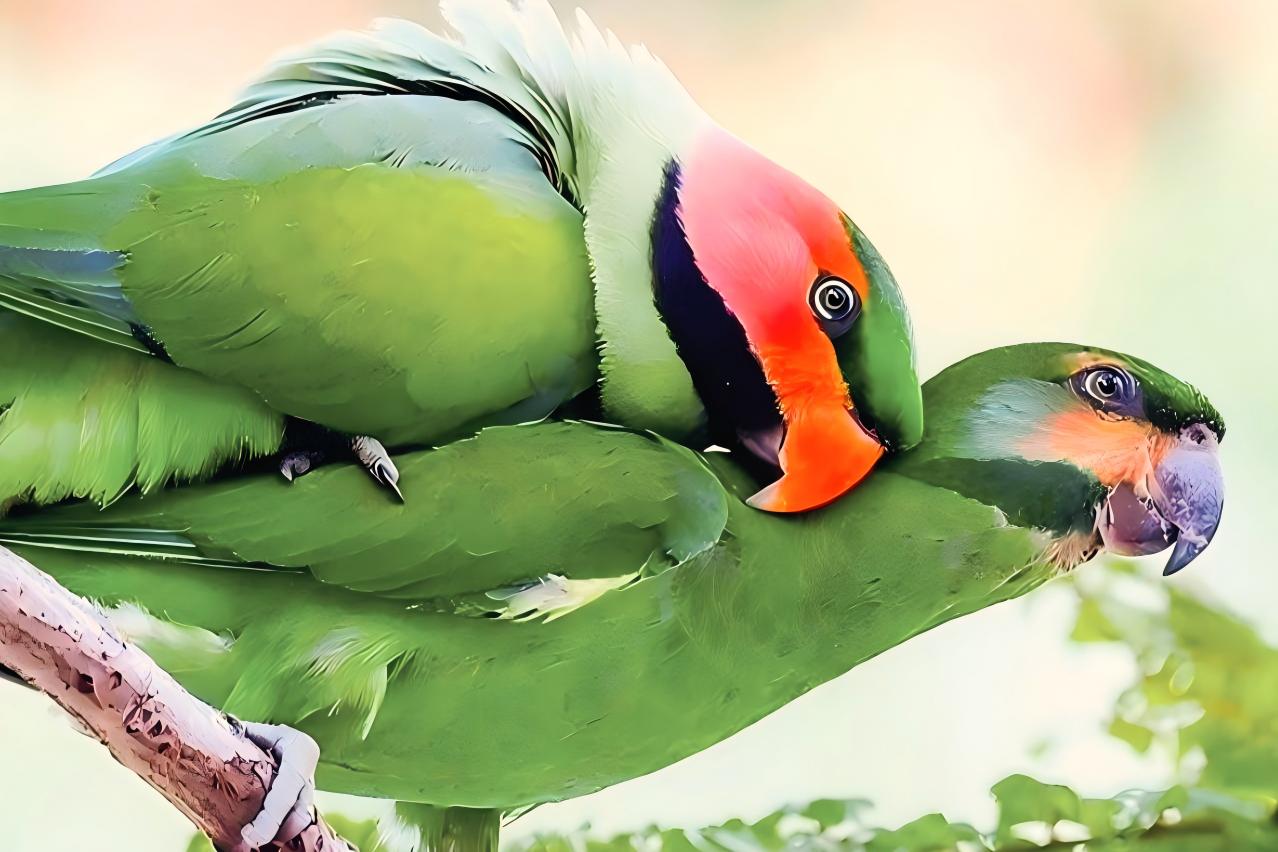
TL;DR — Can You Really Tell a Bird’s Gender by Looking at It?
For most bird species, visual identification alone is unreliable. While some birds (like peacocks and mallards) show obvious sexual dimorphism, lebih 80% of bird species are monomorphic — meaning males and females look nearly identical.
The most reliable method is DNA sexing, which achieves over 99.9% accuracy regardless of species, usia, or season. Behavioral observation and physical clues can help, but they often lead to misidentification.
| Metode | Ketepatan | Time Needed | Biaya | Safe for Bird |
|---|---|---|---|---|
| Pengikatan DNA (PCR) | 99.9%+ | 1-3 days | $$ | ✅ Fully safe |
| Surgical Sexing | 95-99% | Immediate | $$$ | ❌ Invasive |
| Behavioral Observation | 50-70% | Months | Free | ✅ Safe |
| Visual ID (dimorphic species) | 90-100% | Immediate | Free | ✅ Safe |
| Visual ID (spesies monomorfik) | 20-40% | Immediate | Free | ✅ Safe |
Why Bird Gender Matters
Knowing your bird’s sex isn’t just curiosity — it has real implications:
- Program pemuliaan: You can’t pair birds without knowing genders
- Health risks: Female birds are prone to egg-binding, reproductive tumors, and chronic egg-laying
- Behavior management: Males and females may have different hormonal behaviors
- Conservation: Endangered species breeding programs depend on accurate sexing
- Racing pigeons: Gender affects racing performance and breeding strategies
A study published in the Journal of Avian Biology found that misidentification rates for monomorphic bird species using visual methods alone ranged from 30-80%, depending on observer experience.
Metode 1: Visual Identification (Sexual Dimorphism)
When It Works
Some bird species show clear physical differences between males and females:
| Species | Pria | Perempuan |
|---|---|---|
| Mallard Duck | Green head, yellow bill | Brown mottled, orange bill |
| Peacock/Peafowl | Long colorful tail feathers | Shorter, brown plumage |
| Eclectus Parrot | Bright green | Deep red/purple |
| Gouldian Finch | Purple chest (certain morphs) | Lighter coloration |
| Chicken (many breeds) | Larger comb, longer tail feathers | Smaller comb, rounded feathers |
When It Doesn’t Work
For spesies monomorfik, visual sexing is unreliable:
- Parrots: Most parrot species (budgies, cockatiels, abu-abu Afrika, macaw) show no reliable external differences
- Pigeons: Male and female racing pigeons are nearly identical in appearance
- Songbirds: Finches, burung kenari, sparrows — subtle differences that even experts struggle with
- Raptors: Females are often larger, but the size overlap is significant
Personal note from the lab: We regularly receive calls from breeders who were certain of their bird’s gender based on looks, only to have the DNA test reveal they were wrong. It happens more often than you’d think.
Metode 2: Behavioral Observation
Common Behavioral Differences
Experienced bird owners often notice patterns:
- Laki-laki: More likely to sing, display, regurgitate food, be territorial, and show aggressive courting behaviors
- Betina: More likely to gather nesting material, exhibit broodiness, and show submissive postures
Why Behavior Is Unreliable
The problem with behavioral sexing is variability:
- Individual personality: Some females are dominant; some males are passive
- Hormonal cycles: Behavior changes with breeding season
- Social hierarchy: A bird’s rank in a group affects behavior more than gender
- Human imprinting: Hand-raised birds may not show natural gender behaviors
Key stat: A 2018 survey of bird owners showed that 35% of people who “knew” their bird’s gender from behavior were proven wrong by DNA testing.
Metode 3: Surgical Sexing (Endoscopy)
Surgical sexing involves a veterinarian making a small incision and using an endoscope to visually identify reproductive organs.
| Kelebihan | Kontra |
|---|---|
| Immediate results | Membutuhkan anestesi |
| 95-99% accuracy in experienced hands | Risk of infection or death |
| Can also assess reproductive health | Expensive ($200-500 per burung) |
| Stressful for the bird | |
| Not recommended for small or fragile species |
The surgical option is increasingly seen as outdated for simple gender identification. Most avian veterinarians now recommend DNA testing as the safer alternative.
Metode 4: Pengikatan DNA (The Gold Standard)
How It Works
DNA sexing analyzes the CHD gene (Gen pengikat DNA Chromodomain-helicase-DNA) pada kromosom seks burung.
Birds use the Sistem penentuan jenis kelamin ZW:
- Laki-laki (ZZ): Two identical sex chromosomes → one DNA band
- Betina (ZW): Two different sex chromosomes → two DNA bands
The process involves:
- Collecting a small sample (bulu dengan folikel, bercak darah, atau membran cangkang telur)
- Extracting DNA in a certified molecular laboratory
- Amplifying the CHD gene using PCR or RT-PCR technology
- Analyzing the DNA band pattern to determine sex
The Numbers That Matter
| Metric | Nilai |
|---|---|
| Ketepatan | 99.9%+ |
| Minimum age | Usia berapa pun (even newly hatched chicks) |
| Species compatibility | All bird species |
| Sample requirements | 2-3 feathers or 1 setetes darah |
| Turnaround time | 1-3 hari kerja |
| Biaya | $15-40 per test |
| Risk to bird | Zero (non-invasif) |
Why DNA Sexing Wins
DNA testing has become the industry standard because it solves every limitation of other methods:
- Zero risk: No anesthesia, no surgery, no stress
- Universal: Works for every bird species ever tested
- Age-independent: Sex a chick on day 1
- Definitive: 99.9% accuracy removes all doubt
- Permanent: Bird’s DNA doesn’t change
- Cost-effective: Much cheaper than surgical sexing
Quick Decision Guide: Which Method Should You Use?
Is your bird a dimorphic species (obvious visual differences)?
  └── YES → Visual ID usually sufficient (e.g., peacock, mallard)
  └── NO  → See below

Do you need results immediately for a medical reason?
  └── YES → Consult an avian vet (surgical exam may be needed)
  └── NO  → Choose DNA testing

Is cost your primary concern?
  └── Can't afford testing → Behavioral observation (50-70% accuracy)
  └── Can afford $15-40   → DNA testing (99.9% accuracy)

Do you need absolute certainty?
  └── YES → DNA testing is the only option
Pertanyaan Umum
Can you tell the gender of a baby bird?
In most species, no — baby birds lack any developed sexual characteristics. DNA testing is the only reliable method for chicks of any age.
Is feather DNA testing accurate?
Ya, as long as the feathers have intact follicles (the white tip at the base). Feathers without follicles contain insufficient DNA for analysis. Accuracy reaches 99.9% with proper samples.
How much does bird DNA sexing cost?
Professional DNA sexing typically costs between $15 Dan $40 per burung. This is significantly cheaper than surgical sexing ($200-500) and much safer.
Can I DNA sex my bird at home?
Home DNA test kits are available, but the actual analysis must be performed in a certified molecular laboratory. You collect the sample at home and mail it in — the lab does the scientific work.
Which birds are hardest to sex by appearance?
Parrots (especially African greys, Amazon parrots, and macaws), merpati, merpati, most songbirds, and raptors are among the most challenging. These species show minimal to no external differences between sexes.
How long does DNA sexing take?
From sample receipt to results, most certified labs deliver within 1-3 hari kerja. Add shipping time for the sample to reach the lab.
Bottom Line
There are four ways to determine a bird’s sex — but only one is truly reliable for most species.
- Visual identification works for a small minority of birds with obvious differences
- Behavioral observation gives you clues but not certainty
- Surgical sexing is accurate but invasive, risky, and expensive
- Tes DNA adalah standar emas: 99.9% tepat, zero risk, and works for every bird species at any age
If you need reliable bird gender identification — whether for breeding, health management, or simple curiosity — a certified DNA test is the clear choice.
Written for bird breeders, pemilik hewan peliharaan, and conservationists. Backed by certified molecular diagnostics expertise. Published July 2026.