
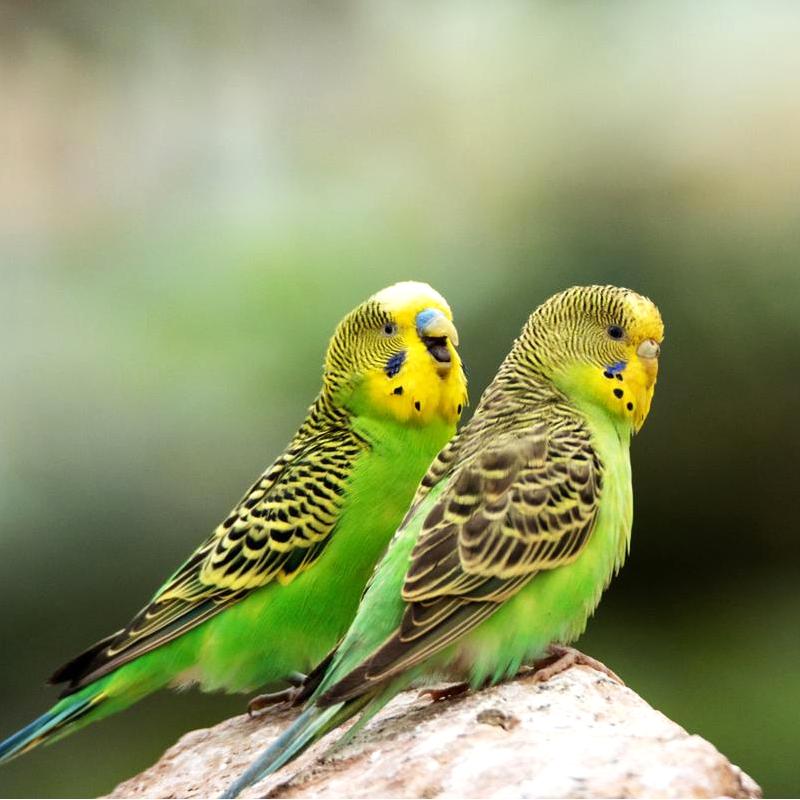
Cómo sexar un periquito? periquitos (también conocidos como periquitos) son una de las aves de compañía más populares del mundo, gracias a sus vibrantes personalidades, plumas brillantes, y capacidad para imitar sonidos. Pero cuando se trata de determinar si tu periquito es macho o hembra, things can get tricky—especially for young birds or rare color mutations.
Here, we’ll walk you through:
The basics of budgie biology
Traditional sexing methods and their limitations
The most accurate modern method: pruebas de ADN
How to collect samples and test your budgie at home
1. What Kind of Bird Is a Budgie?
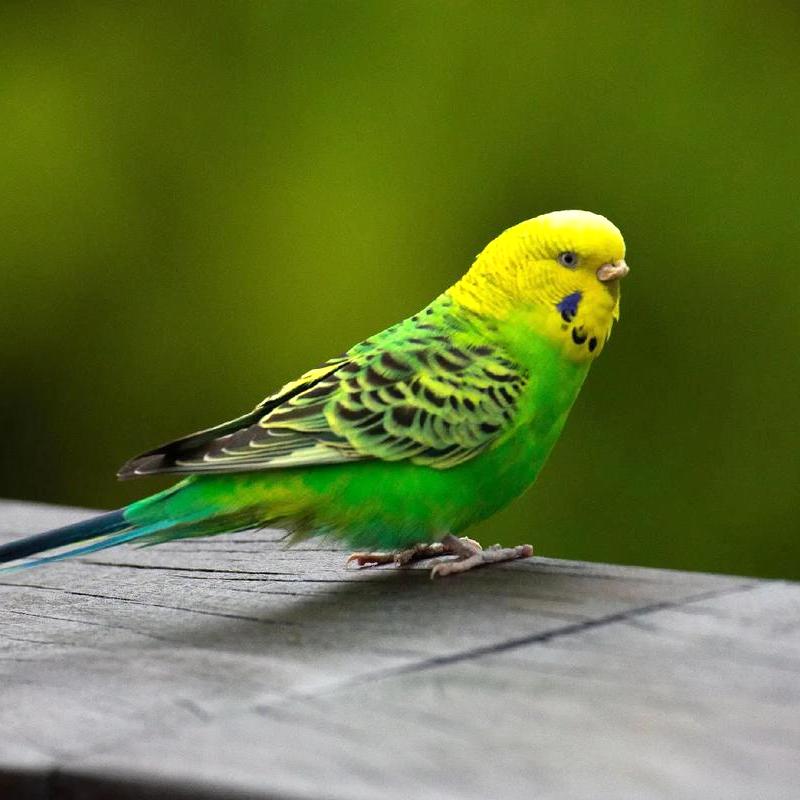
Budgies are small parrots belonging to the Psittaculidae family, a subfamily of true parrots. Scientifically named Melopsittacus undulatus, they are native to Australia but are now bred worldwide as pets.
Common budgie types include:
American Budgie (Pet-type)
English Budgie (Show-type)
Color mutations like albino, lutino, pied, and opaline
2. Traditional Ways to Sex a Budgie Bird
1. Cere Color (the area above the beak)
This is the most common method—but only works on adult birds (6+ months old).
| Cere Color | Likely Gender |
|---|---|
| Bright blue | Masculino |
| Brown, white, tan | Femenino |
| Light blue or pinkish | Juvenile or uncertain |
🟡 Importante: In some color mutations (like albino or lutino), the cere may stay pink or purple in both sexes, making visual ID unreliable.
2. Behavioral Clues
Machos tend to chirp more, sing, and mimic sounds
Hembras may be more territorial and bite more during nesting behavior
3. How Accurate Are Traditional Methods?
Visual and behavioral methods can be accurate in some cases, especially in typical green or blue budgies—but they are not reliable for all color mutations or young birds.
Juvenile birds: Gender is often impossible to confirm visually
Albino/lutino/recessive pied: Cere color does not follow the standard rules
Señales de comportamiento: Can be misleading based on personality
Estimated error rate: 25–50% depending on bird age and color
4. The Most Reliable Method: Pruebas de ADN
DNA sexing provides encima 99.9% exactitud by analyzing genes that are specific to males and females.
Why choose DNA testing?
✅ Works at any age
✅ Safe and non-invasive (feather or blood sample)
✅ No need to wait for physical maturity
✅ Works for all color mutations
5. How to DNA Test Your Budgie at Home
Step-by-Step Process:
Order a DNA Sexing Kit (includes instructions and sample tools)
→ Check out our Budgie DNA Test KitRecoger la muestra
Pluck 3–5 chest feathers with tissue at the root
Or collect a small drop of blood from the nail
Label & Send
Include the bird’s ID, your contact info, and send to a certified lab
Receive Results Online
Usually within 3–5 business days
🔗 Want to learn more about bird testing? Visita nuestro Página principal for complete guides and resources.
6. What DNA Testing Methods Are Used for Budgies?
There are several molecular biology techniques to determine your budgie’s sex:
| Método | Exactitud | Suitable For |
|---|---|---|
| PCR (Reacción en cadena de la polimerasa) | ✅ 99.9% | Pet owners, criadores |
| PCR en tiempo real (qPCR) | ✅ 99.9% | Breeding farms, profesionales |
| Secuenciación de ADN | ✅ 100% | Research labs, rare mutation studies |
👉 Order a PCR-based Budgie DNA Test for fast and affordable results.
7. Can You Build a Mini DNA Lab at Home?
Sí, for breeders or enthusiasts, it’s possible to set up a small-scale DNA testing lab.
Essential Equipment:
PCR machine (thermocycler)
Micropipettes
Centrífugo
kits de extracción de ADN
Gel electrophoresis system
Clean workspace (free from contamination)
Sin embargo, we recommend using a certified lab for accuracy and ease—especially for beginners.
Don’t Guess—Test!
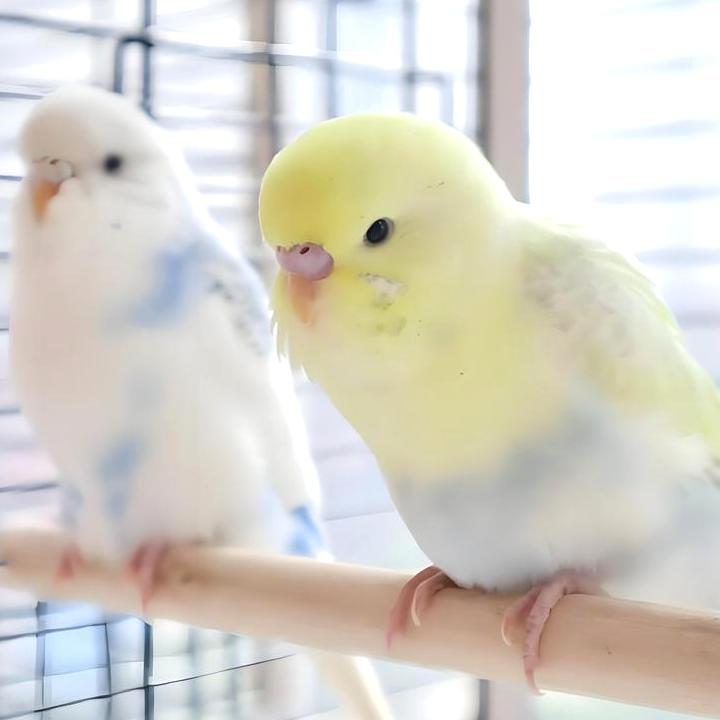
While cere color and behavior can offer clues, DNA testing is the only guaranteed way to sex a budgie accurately—regardless of age or color mutation. It’s simple, asequible, y muy preciso.
🛒 Ready to find out if your budgie is a boy or a girl?
👉 Order Your Budgie DNA Test Kit Today
🔗 Visita nuestro Main Page for more avian health and testing solutions.
FAQ – Budgie Gender Testing
q: Can I use a fallen feather for testing?
A: No. You must pluck feathers to get the DNA-rich tissue at the base.
q: Is feather plucking painful?
A: It’s about as uncomfortable as plucking a hair. Most birds tolerate it well.
q: Can I test baby budgies?
A: Sí! DNA testing works for birds of any age—even hatchlings.
Physical Sexing Methods for Budgerigars
The Cere Method: Traditional Visual Sexing
The cere (the fleshy area above the beak containing the nostrils) is the most commonly used visual indicator for budgie sexing:
- Adult Males: Deep blue to purple cere (some color mutations like lutino and albino show pink/purple)
- Adult Females: Brown, tan, or crusty-textured cere (especially when in breeding condition)
- Young Budgies (bajo 4 meses): Both sexes have pink/purple ceres with white rings around nostrils — unreliable for visual sexing
Limitations of Visual Sexing
The cere method has significant accuracy limitations:
- Juvenile birds: Nearly impossible to visually sex before 4 meses
- Color mutations: Recessive pied, dark-eyed clear, lutino, and albino mutations show atypical cere colors
- Hormonal conditions: Testicular tumors in females can cause cere color changes mimicking males
- Nutritional deficiencies: Vitamin A deficiency can alter cere appearance
Studies show visual sexing accuracy for budgies ranges from 60-85%, depending on age and mutation — far below the 99.9% accuracy of DNA testing.
Behavioral Sexing: Reliable or Not?
Budgie behavior provides clues but is not definitive:
| Comportamiento | More Common In | Fiabilidad |
|---|---|---|
| Head bobbing and singing | Machos | Moderado (70-80% preciso) |
| Chattering and mimicking | Machos | Moderado |
| Aggressive cage territoriality | Hembras | Bajo (significant overlap) |
| Nesting behavior (shredding paper) | Hembras | Moderate-High in breeding condition |
| Mutual feeding/allopreening | Both sexes | Not diagnostic |
Why Breeders Choose DNA Testing for Budgies
Serious budgie breeders increasingly rely on DNA testing because:
- Early sexing: Identify sex at 2 weeks of age — before visible cere differentiation
- Color mutation breeding: Pair planning requires knowing sex before visual differentiation at 4+ meses
- Sales transparency: Provide buyers with certified gender documentation
- Colony management: Maintain optimal male-to-female ratios in aviary settings
Learn more: Complete bird DNA sexing guide →